How to Dispose of Construction Debris in Ocean County, NJ
Construction debris in Ocean County, NJ can be disposed of through a roll-off dumpster rental, a drop-off at a local transfer station, or a licensed junk removal service, as long as the material follows NJ DEP guidelines and excludes hazardous items like asbestos, paint, or solvents. For most renovation and demolition projects, renting a dumpster from a provider like Alco Disposal is the most convenient and cost-effective way to keep debris contained and disposal on schedule.
Renovation and demolition projects in Ocean County generate debris fast, and figuring out how to dispose of construction debris in Ocean County NJ correctly is not always straightforward. Regular curbside trash pickup will not take drywall, lumber, roofing shingles, or concrete, and New Jersey enforces specific rules around what qualifies as construction and demolition waste, what local facilities will accept, and how materials need to be separated before pickup or drop-off. Homeowners tackling a kitchen remodel, a deck teardown, or a full gut renovation often discover midway through the project that the debris piling up in the yard has nowhere to go without a plan.
Ocean County residents have several legitimate paths for handling this kind of waste, ranging from municipal transfer stations to licensed haulers and roll-off dumpster rentals. Each option comes with tradeoffs in cost, convenience, and volume capacity, and the right choice depends heavily on the size and timeline of the project. This guide breaks down what qualifies as construction debris under NJ regulations, what materials can and cannot go in a dumpster, the disposal options available locally, how sorting affects cost, what a typical job runs, and the state and county rules that apply before debris ever leaves the property.
Skipping this planning step is a common reason renovation timelines slip. A dumpster ordered too small, a load rejected at a transfer station for mixed materials, or a permit missed for street placement can each add days to a schedule that was otherwise on track. Working through disposal logistics before demolition day, rather than after debris has already piled up, keeps a project moving at the pace it was planned for.
What Counts as Construction and Demolition Debris in NJ?
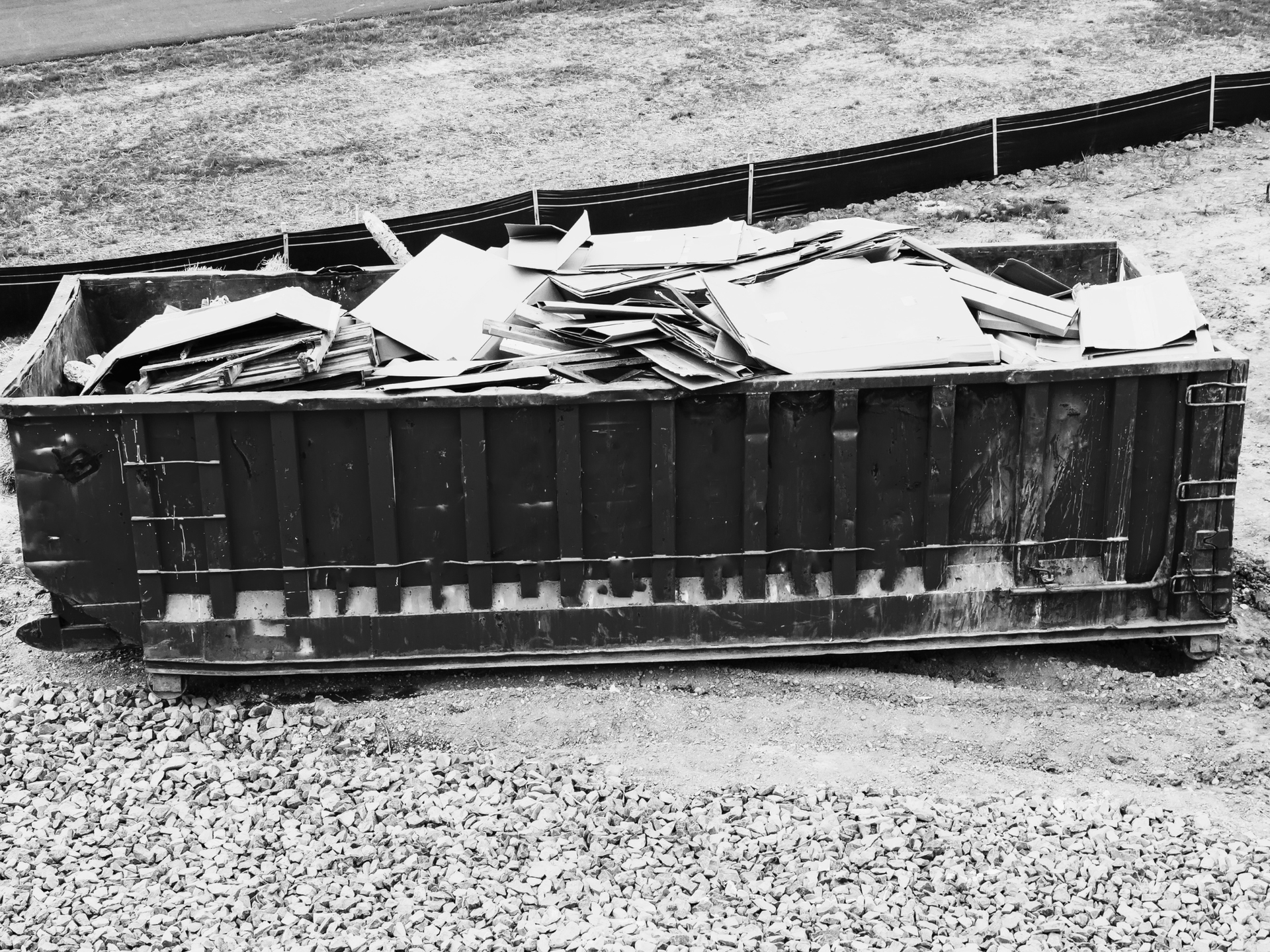
Per NJ DEP classification, construction and demolition debris, often shortened to C&D debris, covers building materials generated from construction, renovation, repair, and demolition work. This includes lumber and framing material, drywall and plaster, concrete, brick and masonry, roofing materials such as shingles and underlayment, and flooring like tile, hardwood, or vinyl. C&D debris is treated differently from household solid waste because of its bulk, weight, and composition, and most facilities require the two waste streams to stay completely separate.
Household solid waste covers food scraps, packaging, general garbage, and everyday items that go out with weekly trash service. Mixed C&D debris cannot be combined with this stream, whether it is headed to a transfer station or loaded into a roll-off container. A homeowner tearing out a bathroom, for example, will produce tile, subflooring, drywall, and old fixtures that qualify squarely as C&D debris, while everyday household trash generated during the same renovation still needs its own separate disposal path through normal municipal pickup.
Understanding this distinction matters before a project even starts, since mixing the two waste types can lead to a dumpster load being rejected at the transfer station or flagged during pickup. Planning for construction debris removal in NJ as its own category, separate from household trash, keeps a project compliant and avoids delays.
What You Can and Cannot Throw Away in a Construction Dumpster
Accepted materials in a roll-off dumpster
Most roll-off dumpster rentals in Ocean County accept a fairly standard range of construction materials.
Commonly accepted items include:
● Wood, including framing lumber, trim, and plywood
● Drywall and plaster
● Non-asbestos roofing shingles and underlayment
● Tile, ceramic, and select masonry
● Concrete and brick in manageable quantities
● Metal framing and light structural metal
● Flooring materials, including carpet, vinyl, and hardwood
Weight limits apply to nearly every dumpster rental, and heavier materials like concrete, brick, and shingles often carry separate weight allowances or additional fees once a load exceeds the included tonnage. A dumpster that easily holds a full load of lumber and drywall by volume can hit its weight cap quickly if filled mostly with concrete or roofing debris. Confirming weight limits and accepted materials with the rental provider before loading avoids surprise charges once the container is picked up and weighed.
Prohibited materials: what NJ does not allow in a dumpster
Certain materials are restricted from standard roll-off dumpsters under New Jersey regulations and most provider policies, regardless of dumpster size or rental length. Restricted items typically include:
● Asbestos-containing materials
● Refrigerants and appliances containing Freon
● Paints, solvents, and other liquid chemicals
● Batteries, including lead-acid and lithium types
● Propane tanks and other pressurized containers
● Tires and certain electronics, depending on the facility
These materials require separate handling through hazardous waste programs rather than standard disposal. The NJ DEP solid waste regulations outline handling requirements for each of these categories, and Ocean County periodically hosts household hazardous waste collection events specifically for items that cannot go into a standard dumpster or curbside pickup. Homeowners working on an older home should pay particular attention to potential asbestos in flooring, insulation, or roofing material before demolition begins, since disturbing it without proper testing and abatement carries both health and regulatory risk.
Disposal Options for Construction Debris in Ocean County
Ocean County offers three practical routes for construction debris disposal, and the right one depends on project size, timeline, and how much debris a job is expected to generate.
Option 1: Rent a roll-off dumpster
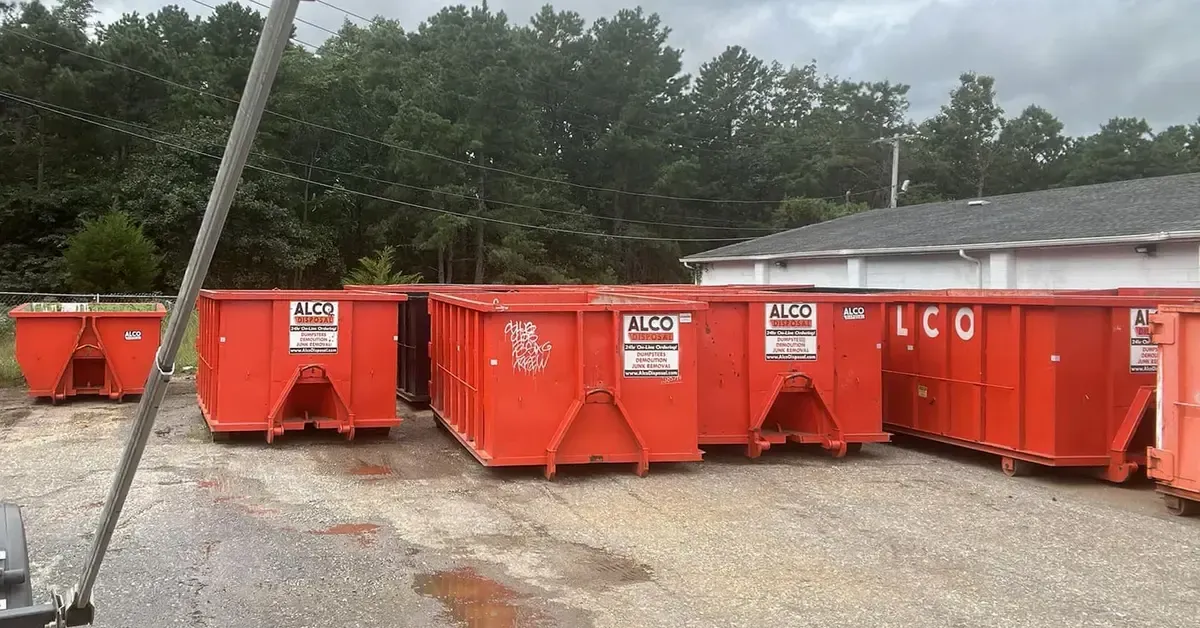
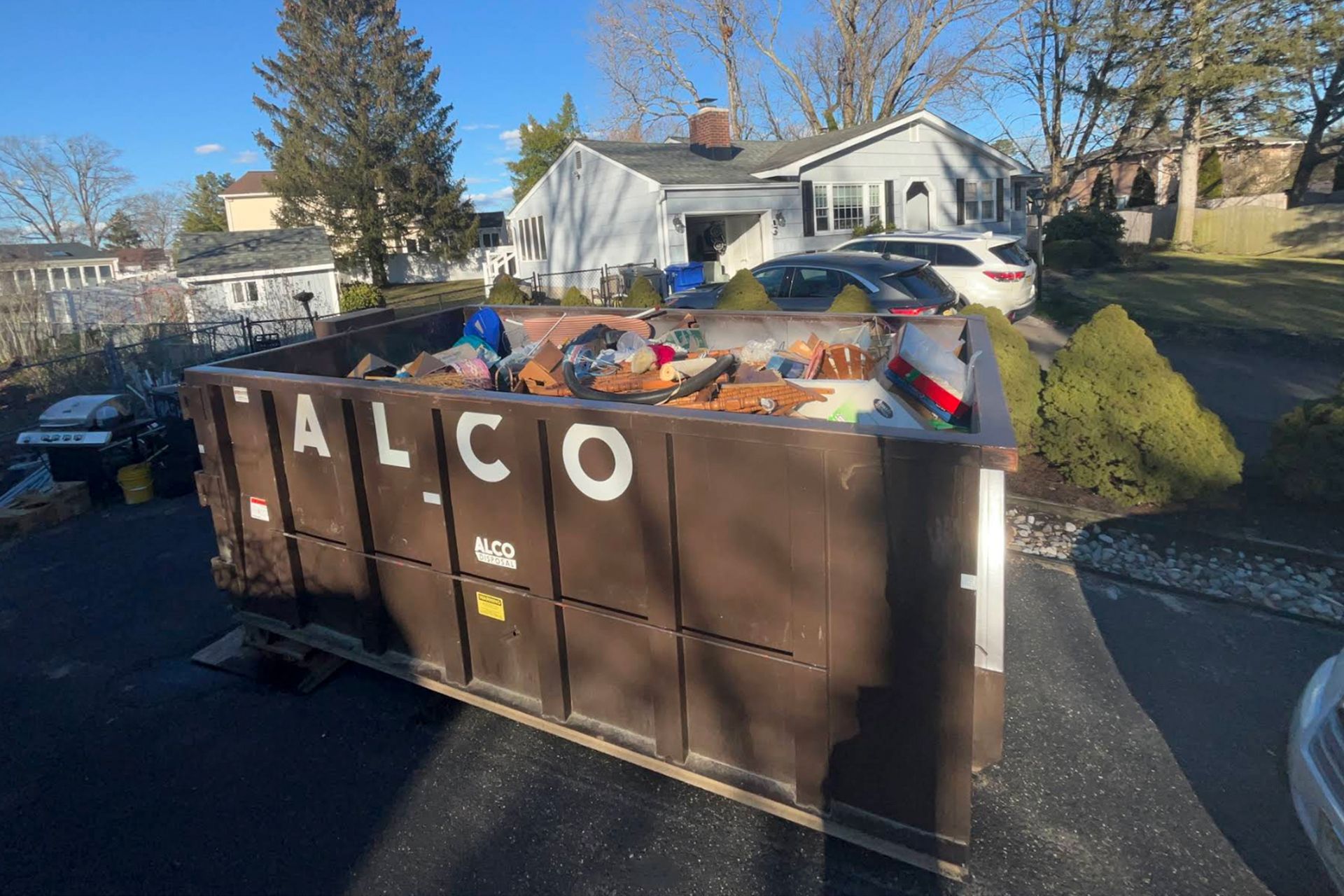
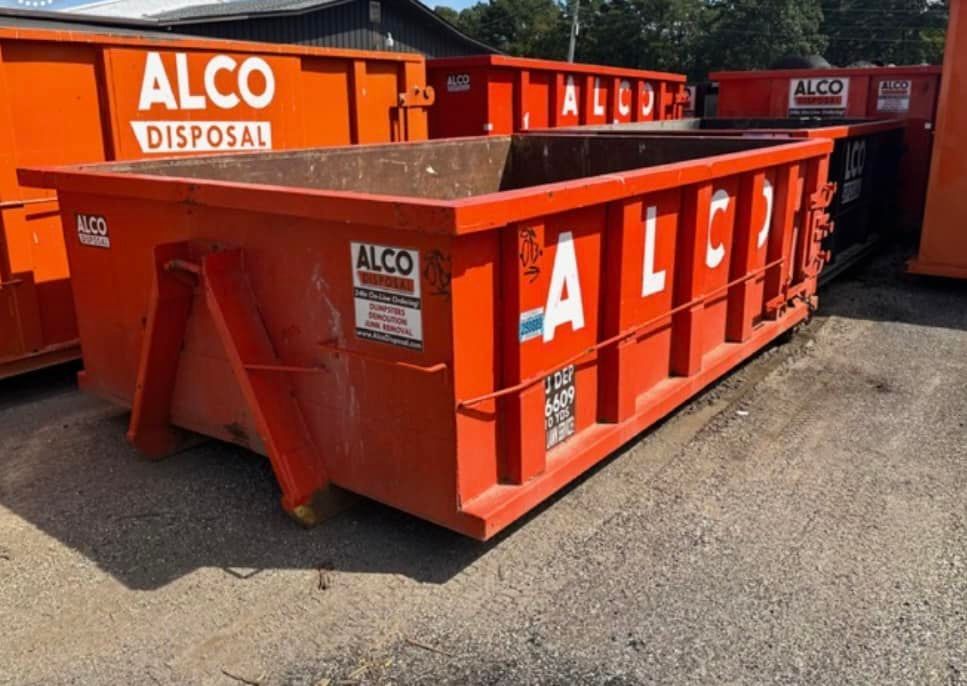
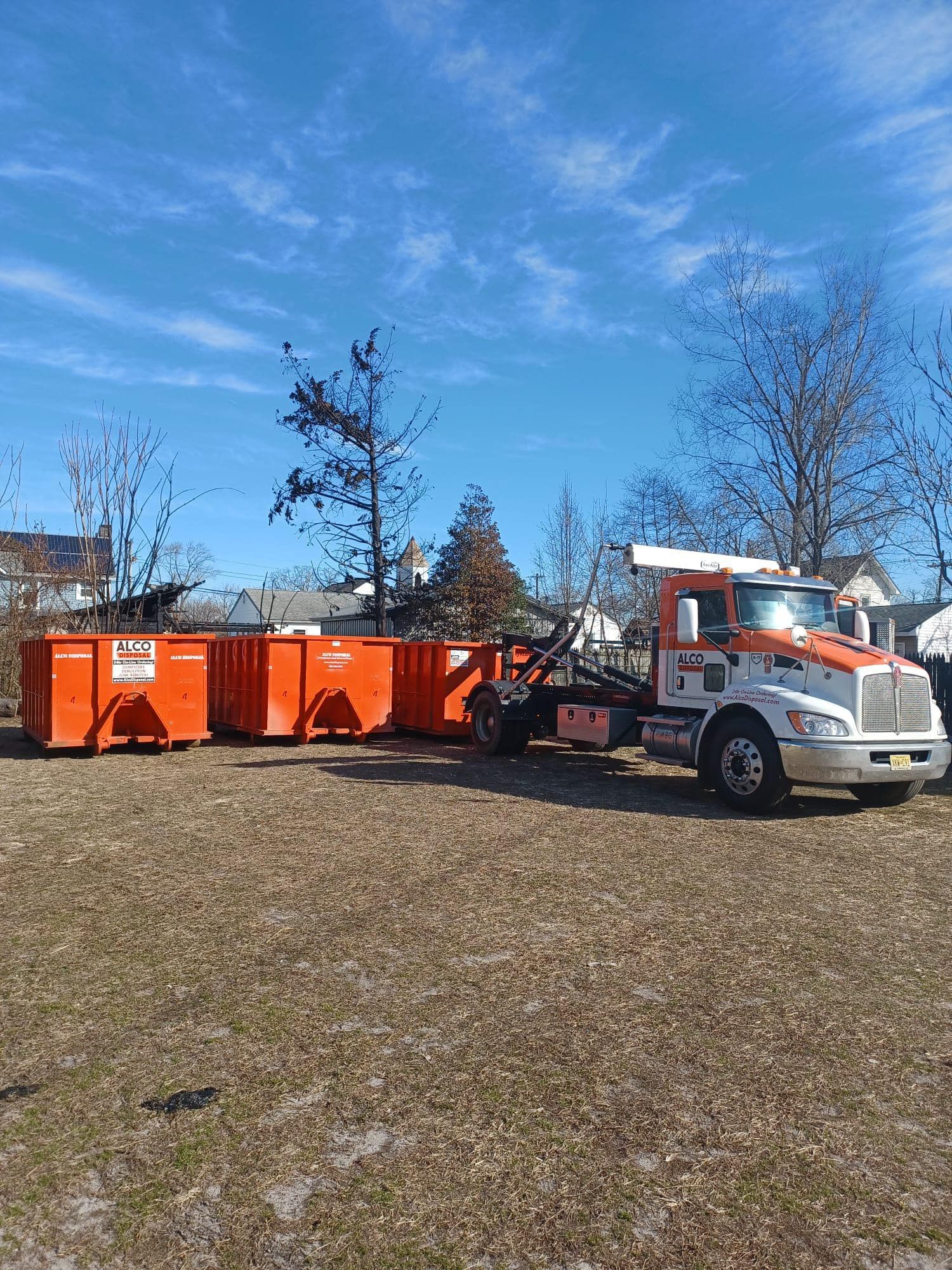
A roll-off dumpster rental is generally the most practical option for ongoing renovation or demolition projects. The container stays on-site for the duration of the job, which means debris can be loaded gradually as work progresses rather than requiring repeat trips to a transfer station in a personal vehicle or trailer. This option works particularly well for larger volumes of mixed C&D debris, multi-day projects, or demolition jobs where debris accumulates faster than it could reasonably be hauled by hand.
Providers offering dumpster rental Toms River NJ and surrounding areas, including dumpster rental Lacey NJ, typically deliver a container sized to the scope of the project, whether that is a small bathroom remodel generating a single load or a full home demolition requiring multiple containers over several weeks. Sizing the dumpster correctly at the outset avoids the added cost of a second delivery mid-project.
Option 2: Bring debris to a transfer station or recycling facility
The Ocean County Recycling Center and similar transfer stations accept limited quantities of construction debris, and this route can make sense for smaller projects generating a truckload or less. This option requires loading, hauling, and unloading materials without on-site convenience, and it depends on having a vehicle or trailer capable of the load. Facility hours, fees, and accepted material lists vary by location, so confirming details ahead of a trip saves a wasted drive.
For homeowners handling a small repair job, such as replacing a section of flooring or removing a single wall, rather than a full renovation, a single trip to a transfer station may be sufficient without the added cost of a dumpster rental sitting on the property for days or weeks.
Option 3: Hire a junk removal company
Junk removal services work best for post-project cleanup involving loose items rather than bulk debris from an active demolition. This option tends to cost more per volume compared to a dumpster rental, since pricing often reflects labor for loading and hauling rather than container rental alone. Junk removal crews typically show up, load debris directly onto a truck, and haul it away in a single visit, which trades convenience for a higher per-load cost.
This route is not typically the most cost-effective choice for large renovation debris generated over multiple days, but it fits situations where only a small amount of leftover material needs to be cleared after the bulk of a project is already finished, such as leftover packaging, small offcuts, or a handful of discarded fixtures.
How to Sort Construction Debris for Faster Disposal
Separating recyclable materials such as clean metal and untreated wood from mixed debris reduces the volume headed to landfill and can lower overall disposal costs. Many facilities and haulers charge lower rates for sorted loads of a single material type compared to mixed C&D debris, since clean loads are easier to process, weigh, or recycle without additional sorting labor on their end.
Sorting on-site as debris accumulates, rather than combining everything into one pile at the end of a project, saves time later and can reduce the number of dumpster pulls needed for a larger job. Setting aside metal scraps, clean lumber, and cardboard packaging separately from drywall, roofing material, and mixed debris is a simple step that pays off at final disposal, both in cost and in how quickly a container fills up.
A basic sorting system on a jobsite, even something as simple as designating one corner of the yard for metal and another for clean wood, tends to pay for itself once dumpster weight is calculated at pickup.
Contractors managing multiple crews on a single site often benefit the most from this approach, since consistent sorting habits across a team prevent a mixed load from forming by the time the dumpster is full. Homeowners managing a DIY project can apply the same logic on a smaller scale, using separate bins or a marked section of the yard for each material category as work progresses rather than trying to sort a finished pile at the end.
How Much Does Construction Debris Disposal Cost in Ocean County, NJ?
Disposal costs depend on several factors: dumpster size, total weight, the type of debris involved, and rental duration. Heavier materials like concrete, brick, and roofing shingles typically cost more to dispose of than lighter debris such as drywall or wood, since pricing for many providers is tied to tonnage once a load exceeds the weight included with the rental, rather than to volume alone.
A small bathroom renovation generating a single dumpster load will cost meaningfully less than a full home demolition requiring multiple containers and an extended rental period spanning several weeks. Rental duration also affects pricing, since most providers include a set number of days before daily extension fees apply, so a project that runs longer than expected should account for that in the budget.
Getting a project-specific estimate based on scope, expected debris type, and timeline gives a far more accurate sense of cost than comparing a single flat rate advertised across different providers, since two projects of similar size can land in very different price ranges depending on what is actually being torn out.
Location within Ocean County can also factor into pricing, since delivery distance and local disposal fees vary between towns along the coast and those further inland. A project in Toms River may see a different quote than one in Lacey, even with an identical dumpster size and debris type, simply due to routing and local facility fees. Requesting a quote that accounts for the specific project address, rather than relying on a general estimate, avoids confusion once the final invoice arrives.
NJ Rules for Construction Debris Disposal: What Homeowners Should Know
New Jersey regulates solid waste disposal through the state Department of Environmental Protection, which sets guidelines for what qualifies as C&D debris and how it must be handled from generation through final disposal. Ocean County adds local requirements on top of state rules, including permitting for dumpsters placed on public roads or rights-of-way rather than on private property.
Homeowners planning a renovation that will require a dumpster placed on a street, a shared driveway, or any public right-of-way should check with the local municipality about permit requirements before delivery is scheduled. Placement entirely on private property, such as a homeowner's own driveway, typically does not trigger the same permitting process, though local rules can vary by township.
Reviewing NJ construction debris disposal rules through the
NJ DEP solid waste regulations ahead of a project helps homeowners avoid violations tied to prohibited materials, improper mixing of waste streams, or unpermitted street placement. The
Ocean County government website also lists local facility information and any county-specific requirements that apply on top of state guidelines. For general guidance on recyclable materials that may overlap with a renovation project, the
EPA recycling guide outlines what commonly recyclable materials look like across categories, though local facilities ultimately determine what they will accept.
Frequently Asked Questions About Construction Debris Disposal in NJ
Can drywall go in a dumpster in NJ?
Yes, drywall is generally accepted in standard construction dumpsters. Large quantities may count toward weight limits quickly, since drywall is denser than it looks, so confirming allowances with the rental provider before loading a full teardown's worth of drywall avoids added fees at pickup.
Where can construction debris be taken in Ocean County?
Construction debris can go to the Ocean County Recycling Center, licensed transfer stations, or be collected through a roll-off dumpster rental delivered directly to the project site. Availability, fees, and accepted materials vary by facility, so confirming details ahead of a drop-off saves a wasted trip.
Is construction debris considered hazardous waste?
Standard construction debris such as wood, drywall, and concrete is not classified as hazardous waste under NJ regulations. However, specific materials like asbestos, certain paints, and solvents fall under hazardous waste rules and require separate disposal through designated collection programs rather than a standard dumpster.
What is the cheapest way to dispose of construction waste?
Cost depends on project size and debris type. For small volumes, a single transfer station trip may be the cheapest option available. For larger renovation or demolition projects, a roll-off dumpster rental is typically the most cost-effective option per ton, since it consolidates disposal into fewer trips and avoids the repeat labor and fuel cost of multiple hauling runs.
Conclusion
Ocean County homeowners tackling construction and renovation projects have several legitimate ways to manage debris, from transfer station trips to full-service dumpster rentals. For smaller jobs, a single load hauled to a recycling center may cover the need without added cost. For larger renovations or demolition work generating debris over days or weeks, a roll-off dumpster keeps the project moving without repeat trips or the added labor cost of a junk removal crew.
A dumpster rental from Alco Disposal offers a straightforward way to handle construction debris throughout a project timeline, with sizing options suited to jobs of any scale across Ocean County. Call
(732) 349-5658 or book online to schedule delivery.
Recent Posts